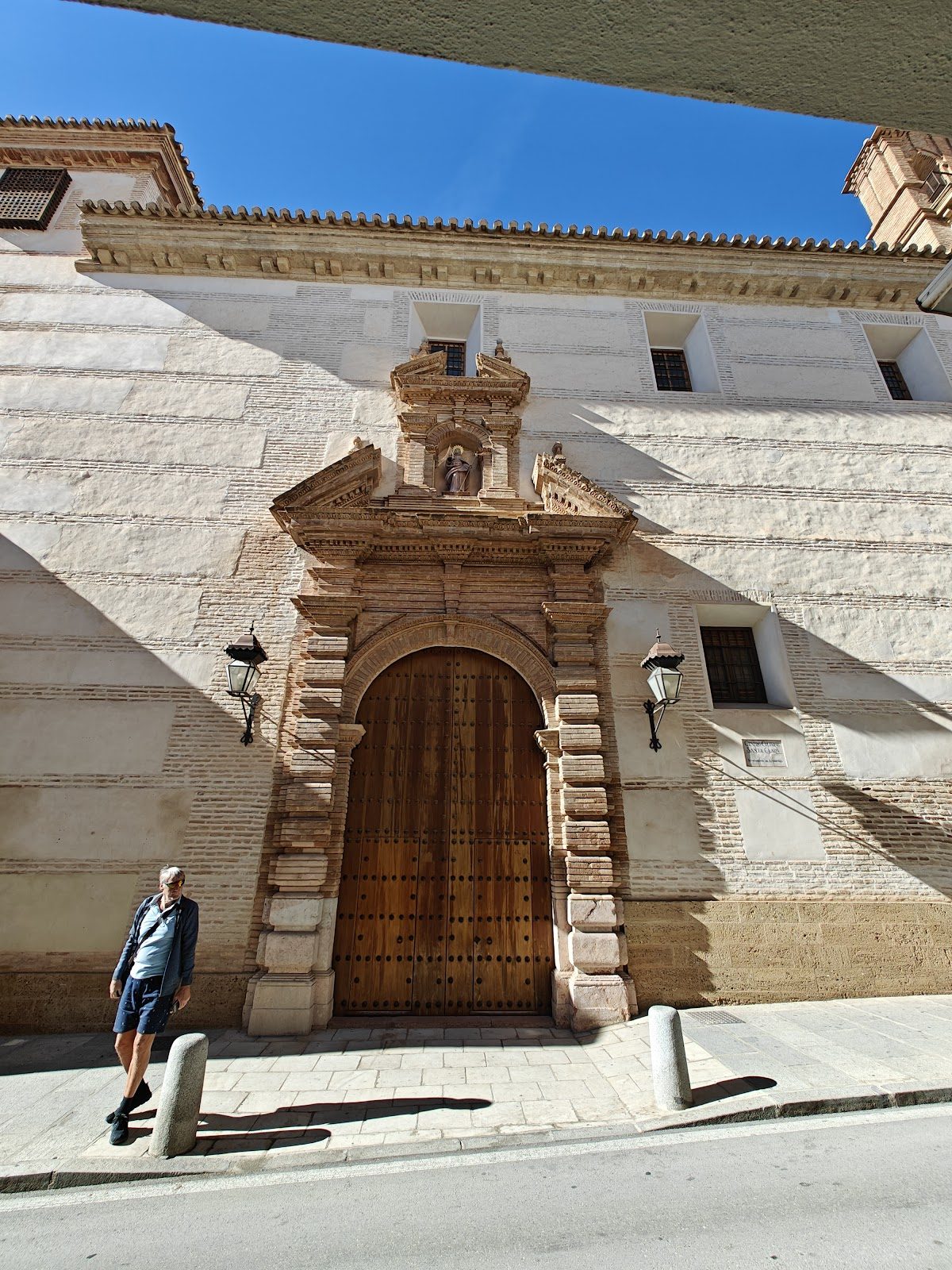


This building is one of those places where Antequera's religious past and cultural present come together spectacularly. What is now a vibrant art and exhibition center was, for centuries, the Royal Monastery of Santa Clara, founded in the early 16th century by the Poor Clare nuns.
One of the most fascinating features of this space is its Mudéjar coffered ceiling. If you look up in the area of the former church, you'll see one of the most impressive carved wooden ceilings in the city. It's a 16th-century structure that has miraculously survived fires and periods of neglect, demonstrating the mastery of the carpenters who worked in Antequera during the Renaissance.
The center's history is marked by resilience. After the nuns left and years of deterioration, the building was nearly lost. However, its restoration has transformed it into a bright and modern space that preserves the spiritual essence of the convent. As an interesting anecdote, during the restoration work, remnants of ancient murals and architectural elements were discovered, hidden beneath layers of lime for centuries, revealing the true wealth the monastery possessed in its heyday.
Another intriguing aspect is its connection to music and silence. The Poor Clares were a cloistered order where silence was sacred; today, paradoxically, the building is famous for its exceptional acoustics, making it a preferred venue for chamber music concerts, piano recitals, and lectures. It's as if the convent's former spirit of seclusion now helps culture to be heard with a special clarity.
Outside, the cultural center blends into a neighborhood of narrow, steep streets that climb towards the upper part of the city. Nearby are other important palaces, making Santa Clara a key piece of Antequera's "golden mile" of heritage. It is the perfect place to see how a building that was born for spiritual retreat has managed to open its doors wide to become the beacon of creative life in present-day Antequera.
- Category
- Arts & Culture · cultural · museum · tourist-attraction
- Location
- Cjón. Martínez, 2 · 29200 Antequera
- Hours
Mon 3:00 – 10:00 PM Tue 3:00 – 10:00 PM Wed 3:00 – 10:00 PM Thu 3:00 – 10:00 PM Fri 3:00 – 10:00 PM Sat Closed Sun Closed - Rating
- 4.6/5 (48 Google reviews)
- Reviewers love
- beautifully restored historic buildingexceptional acoustics for musicfriendly staff and varied activitiesimpressive Mudéjar coffered ceiling
- Good to know
- entrance through a back alleypopular during Christmas season
- Contact
- +34 952 70 83 76
About this business
Centro Cultural Santa Clara is a vibrant arts and culture hub located in Antequera, Málaga. This museum showcases a rich collection of exhibits and hosts various cultural events, making it a must-visit for art enthusiasts and tourists alike. Find directions and contact details below.
Featured in these guides
Recent Google reviews
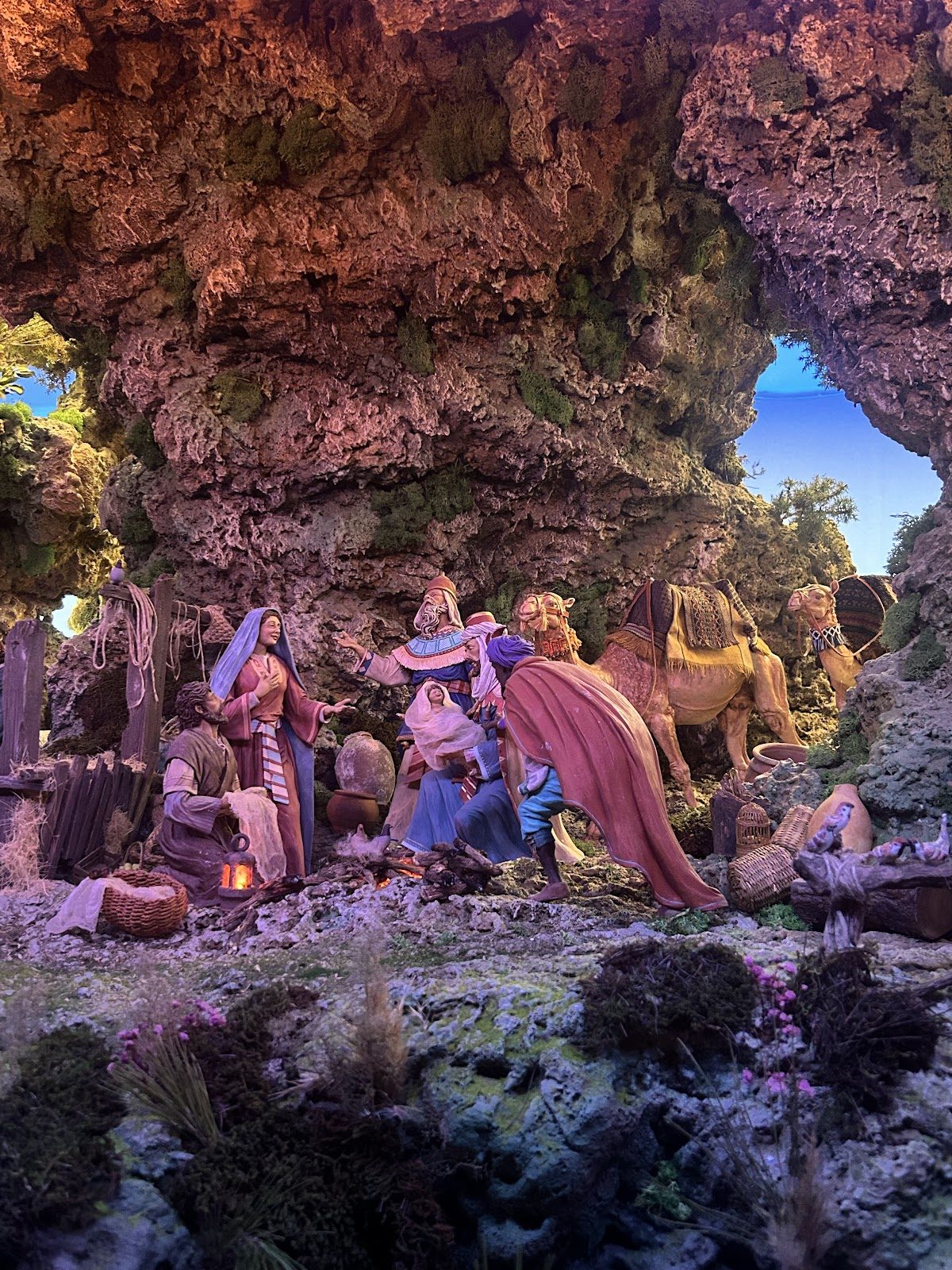
48 total reviewsEvery Christmas, the Antequera Nativity Scene Association sets up the town's main nativity scene, and it's a true work of art. It's definitely worth a visit during the holidays. It's located in the center of Antequera, and there's always a great atmosphere in the area.
This Christmas, you can see one of the most innovative nativity scenes around, with excellent artistry and a unique staging. I highly recommend it.
Each session is for 19 people, but the wait is about 19 minutes. It's well worth seeing; it's truly unique.
A modern and comfortable cultural center, much larger inside than it appears from the outside. The entrance isn't through the main door; it's located in a back alley. The staff is very friendly, and the activities they organize are varied and interesting. Furthermore, the center is a beautifully restored historic building.
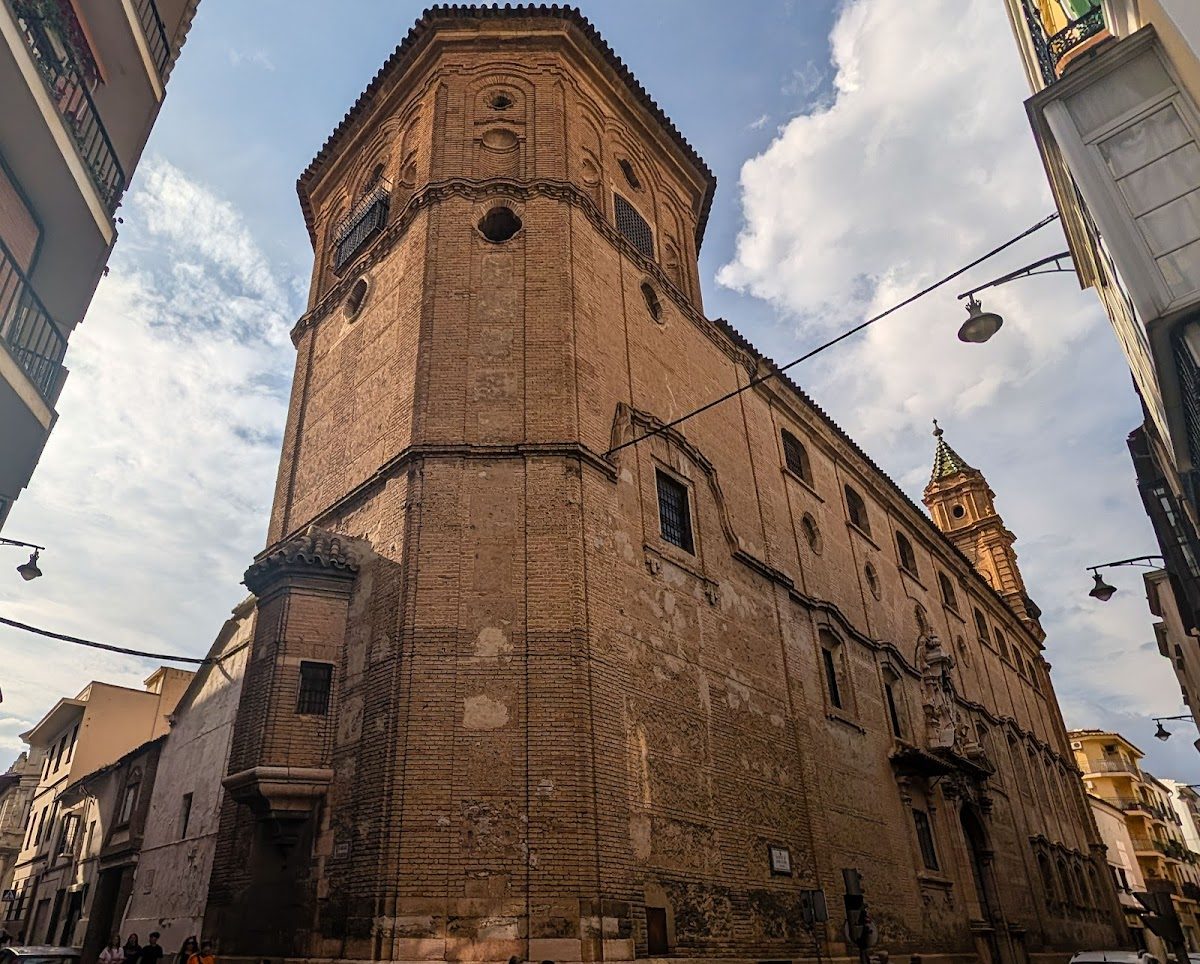
The former Convent of Santa Clara de la Paz was founded by the Franciscan Poor Clare nuns in 1603, although construction of the current church did not begin until 1633, based on a design by the architect Fernando de Oviedo. The upper and lower choirs and the so-called "Jasmine Cloister," built in a Mannerist style, date from this period. The main chapel, added between 1735 and 1757 under the patronage of the Eslava Almazán family—owners of the Nájera Palace at the time—features a rich array of Baroque plasterwork in the pendentives of its dome.
On the exterior of the convent, the 17th-century bell gable, erected by the master builder Juan Muñoz Barrientos, and the mid-18th-century brickwork doorway, attributed to the master builder Nicolás Mejías, who also designed the lookout tower of the Antequera Museum, are particularly noteworthy.
The convent was acquired by the City Council in 1997 and is now home to the Santa Clara Cultural Center, following extensive rehabilitation and restoration work carried out by the General Directorate of Cultural Heritage of the Regional Government of Andalusia.
The Santa Clara Cultural Center was inaugurated in March 2011 and serves as the venue for the various cultural activities organized by the Municipal Cultural Foundation.
Reviews from Google · refreshed regularly
Write a Review
Is this your business?
Claim this listing free to edit photos, hours and contact details, reply to reviews, and receive customer enquiries.
Spot something wrong?
Help us keep this listing accurate. Is this your business? Claim it free. Where does this data come from?
Similar businesses nearby
See all


More nearby businesses



Explore more in Antequera
Contact Information
Address:
Cjón. Martínez, 2, 4, 29200 Antequera, Málaga, Spain
Phone:
+34 952 70 83 76
Scan to open on your phone
Ad space
Want to advertise here?
Reach visitors actively looking for local Málaga businesses. Spots available from €0.
Get in touchOpening Hours
Closed · opens tomorrow at 03:00- Monday 3:00 – 10:00 PM
- Tuesday 3:00 – 10:00 PM
- Wednesday 3:00 – 10:00 PM
- Thursday 3:00 – 10:00 PM
- Friday 3:00 – 10:00 PM
- Saturday Closed
- Sunday Closed
Which way is it?
—
in a straight line from you
Turn your phone — the red tip points to the business
Walking directions
Location
Street View
Click and drag to look around
Loading Street View…